



How to Tell If Your Hair Needs Gel or Butter
Cooping on a rich butter and watching your curls go limp by noon is a rite of passage. Curl pattern charts only ever gave you a fraction of the picture. Here is what actually decides it.
Gel or butter, and how to tell which one your curls are asking for
Almost every curly has done this. You find a butter that smells incredible, you apply it generously because more moisture must mean more hydration, and by lunchtime your curls are flat, soft in the wrong way, and coated.
The instinct afterwards is to blame the product, or to blame your curl type. Neither is usually the culprit. The butter was doing exactly what a butter does. It just wasn't the thing that particular wash day needed.
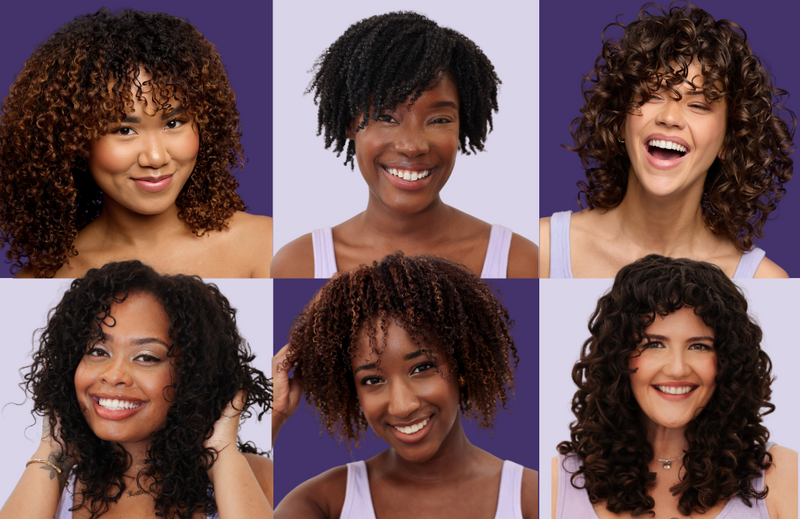
Six things decide whether your hair wants a butter or a gel. Curl type is only one of them, and it is not the most important one.
Start With the Job, Not the Product
Before anything else, name what you are actually trying to achieve. These two products are built for different outcomes, and most bad results come from asking one to do the other's job.
| Butter is for | Gel is for |
|---|---|
| Moisture, softness and volume, with a soft to medium hold. It feeds the hair and leaves it pliable. | Definition and hold that lasts. A humectant-based gel locks in the shape without drying your curls out. |
They are not rivals and they are not interchangeable. Once you know which outcome you want, the next five factors tell you how much of it your hair can actually take.
What Actually Decides It
The job you need done
Butter is there for moisture, softness and volume with a soft to medium hold. A humectant-based gel is there to lock in definition without drying curls out.
So ask what today needs. If your hair feels dry, rough or thirsty, that is a moisture job. If it feels hydrated but falls apart by noon, that is a hold job. Dry and falling apart is both, which is where layering comes in.
How much weight your hair can carry
Butter is rich by design, so more is not better. Too much and curls go limp or coated. Too little on thirsty hair and you are back to dry and frizzy.
There is a window, and it is narrower than most people expect. If you have been applying butter the way you would apply a leave-in, start with roughly half of what you normally use and judge it dry, not wet.
Curl type, as a filter
Type 2 waves can use gel too, in a smaller amount, diluted in a little water, or in a lighter formula, since a thick butter can easily be too much.
Type 4 coils may love butter for softness, volume and twist-outs, with gel stepping in for definition and hold through dense strands.
Type 3 can go either way, which is exactly why the other factors have to decide.
Strand thickness and density
Fine strands get buried under rich butters instead of moisturized. Coarse strands can usually carry more.
Density follows the same logic. Low density wants less butter, high density wants more. This is why two people with the same curl pattern can need opposite amounts of the same product, and why neither of them is doing it wrong.
Porosity and elasticity
Low porosity can get coated, because rich formulas sit on the surface rather than sinking in.
High porosity absorbs moisture quickly and loses it just as fast, so richer moisture plus a sealing layer can help.
Elasticity is the one people skip. If your curls stretch and stay stretched, that is structure, not hydration. Protein first, then style. No amount of butter fixes a protein problem, and piling moisture onto over-stretched hair usually makes it feel worse.
Climate
Cold, dry air can call for richer moisture. Humid days need a barrier, since frizz is just unsealed hair meeting the air.
Which means the right answer in January is not necessarily the right answer in July, on the same head of hair. Your routine is allowed to move with the season.
The shortcut
Butter feeds. Gel holds. If your hair is dry, feed it. If it is hydrated but collapsing, hold it. If it is both, butter underneath and gel on top, and keep the butter lighter than feels natural.
Which Is Exactly Why We Built the Curl ID
Two heads can share the same porosity and still need opposite amounts of butter once strand thickness comes in. Add elasticity, density and the weather, and you have six variables interacting at once.
No chart can hold that. The Curl ID maps your porosity, density, elasticity, diameter and your actual goals together, tells you whether you need a butter or a gel, and matches you to the exact formula.
Take your Curl ID
A few questions about how your hair actually behaves, and you get the answer on butter versus gel plus the routine built for your porosity, diameter and curl type. Free, and it takes about three minutes.
Take the Curl ID Quiz →The Three Formulas, and When Each One Fits
Once you know whether you need moisture or hold, and how much weight your hair can carry, this is where that lands.

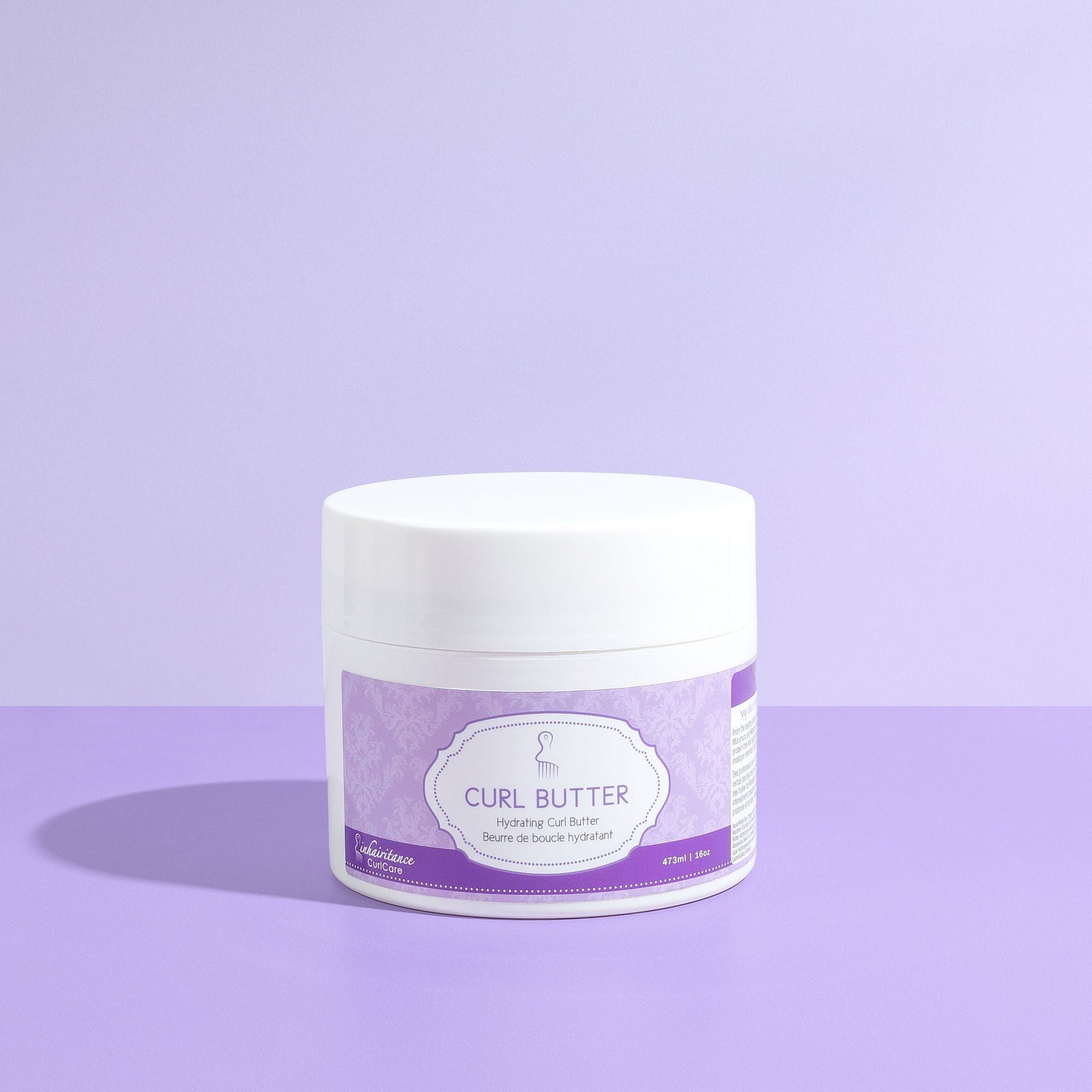
Curl Butter
The moisture job. Softness, volume and a soft to medium hold, for hair that feels dry, rough or thirsty. Start with less than feels natural, especially on fine strands or low porosity, and judge it dry rather than wet.
Shop Curl Butter →
Curl Devotion Gelly
Medium hold. Definition that holds its shape without going hard, which makes it the easier starting point if you have written gel off before, or if you are layering it over a butter rather than using it alone.
Shop Curl Devotion Gelly →
Hold It Right There
Strong hold. For curls that collapse by the afternoon, dense hair that needs real structure to keep a shape, and humid days when you need a proper barrier rather than more moisture.
Shop Hold It Right There →Layering them
Butter underneath, gel on top. Curl Butter for the moisture, then Curl Devotion Gelly if you want definition with movement, or Hold It Right There if you need the shape to survive the whole day. Keep the butter lighter than usual when you are layering, since the gel is doing the holding.
So, Gel or Butter?
Whichever one matches the job in front of you, in the amount your strands can carry, for the weather you are actually in.
That sounds like a lot to hold in your head, and it is. That is the whole reason we stopped asking curlies to work it out from a chart.
Your curls aren't picky.
They're specific.